Should You Buy a BYD in the US Right Now?
Passenger BYD is not the same story as commercial BYD. A commute-first decision tree for buy, wait, or buy something else under today’s tariff and certification stack.
Who it’s for
This guide is for US shoppers who keep seeing BYD range charts, overseas price screenshots, and Canada headlines — then wonder whether a Seal, Dolphin, or Atto-class car belongs in a 2026 commute budget.
It is not for fleet managers evaluating depot-charged commercial vehicles with contracted maintenance. FairRange splits those worlds on purpose.
If you need a car you can insure, service, and sell in ordinary US channels within the next 12–16 months, read this as a decision tree: buy now (authorized US EV), wait (policy/retail clarity), or buy something else (skip gray-market FOMO).
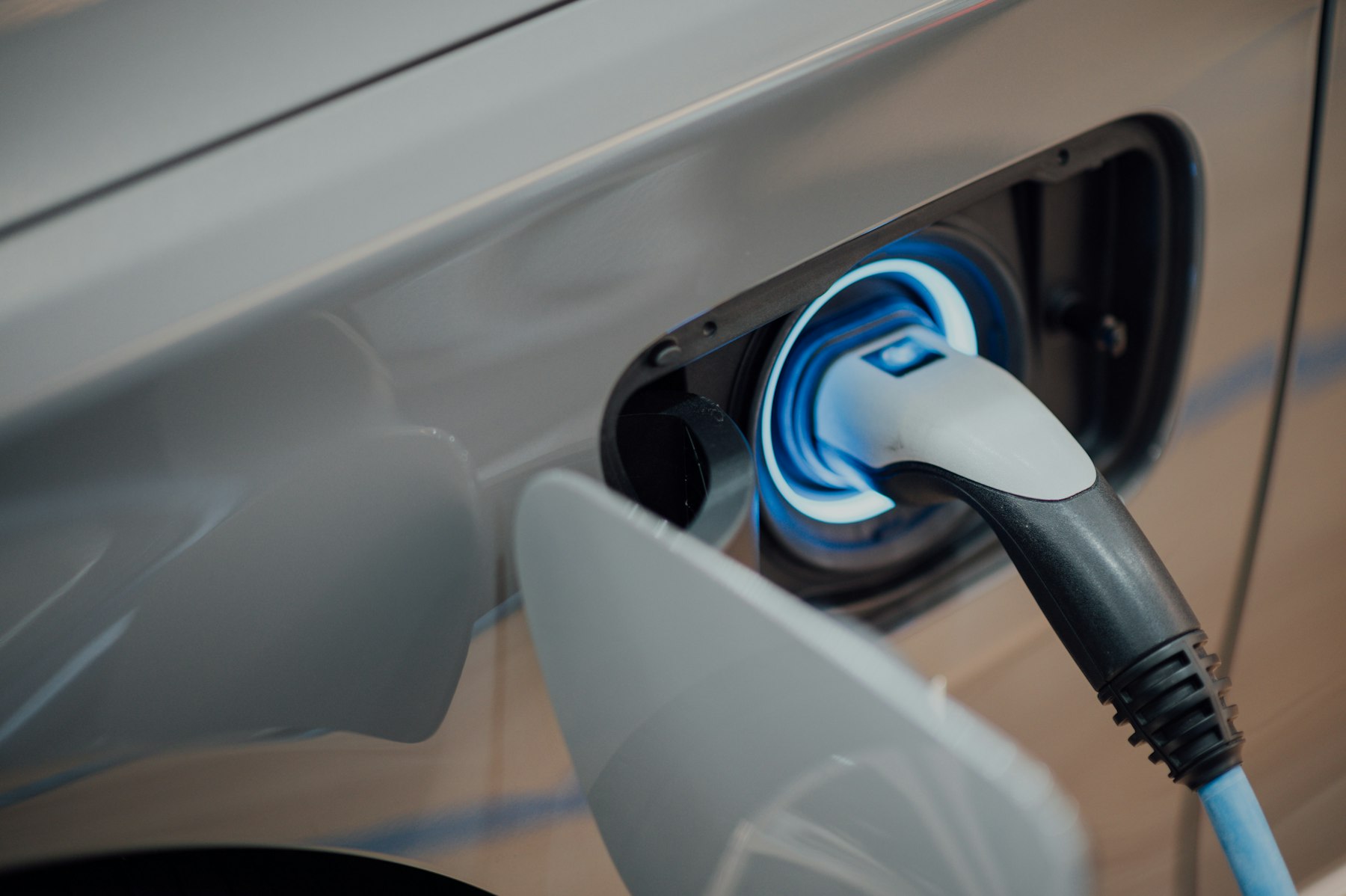
Stock photo — illustrative of public charging, not a specific BYD US retail experience. Photo: Unsplash.
Specs that matter vs marketing
Overseas brochures sell peak power, CLTC range, and cabin screens. A US city commute cares about a shorter list you can verify without brand loyalty:
| Spec / claim | Why it matters for commuting | Marketing trap |
|---|---|---|
| Usable range in cold / highway | Determines whether you charge mid-week | Lab cycle numbers from other markets |
| Real AC charge rate at apartment / work | Daily energy refill reliability | “Fast charge” peaks you will rarely hit |
| Crash parts ETA | A bumper can idle a car for weeks | “Global brand” vibes |
| App / OTA dependency | Connected features can change with policy | Feature screenshots from China/EU firmware |
| Warranty counterparty | Who pays when a pack module fails | Vague “factory support” language |
BYD’s global site is useful for understanding the company’s product families and commercial positioning. It is not a US inventory board. Do not treat international model pages as proof of US FMVSS certification or dealer warranty.
Passenger vs commercial — the split that decides everything
US coverage often mixes two BYD stories:
- Commercial BYD — buses, trucks, and fleet products with depot charging and contracted service
- Passenger BYD — Seal / Dolphin / Atto-class cars that dominate TikTok and European price comparisons
Commercial presence does not equal private retail. A bus customer with a maintenance contract has a different ownership model than a renter parking a sedan on a city street.
Reporting in the Stella Li / USA Today vein has emphasized that passenger US plans are not an active, walk-in retail product for ordinary shoppers — even while trade and Canada manufacturing conversations stay loud. FairRange’s working assumption as of August 2026: treat China-origin passenger BYD as generally outside authorized US retail, pending clear certification + tariff economics + named service partners.
US service reality
Before you ask “is the car good,” ask “who opens a repair order.”
For any US-certified mainstream EV you can buy this month, you can usually:
- schedule diagnostic time at a brand or multi-brand shop
- get a ballpark parts lead time for common crash SKUs
- bind personal auto insurance with a written quote
For a passenger BYD that is not in authorized US retail, those three checks often fail or become specialty/importer territory. Independent EV shops may help — sometimes. That is not the same reliability profile as a national warranty network.
Connected-vehicle policy adds another layer. The US Department of Commerce / BIS process on ICTS in connected vehicles (advance notice and subsequent rulemaking attention) means software-defined cars with China-linked supply chains face more than tariff math. Even if a chassis cleared customs somehow, feature sets, connectivity, and long-term support can be unsettled. Honest uncertainty: exact timelines and product carve-outs can shift; do not assume “the car drives, therefore the software stack is forever fine.”
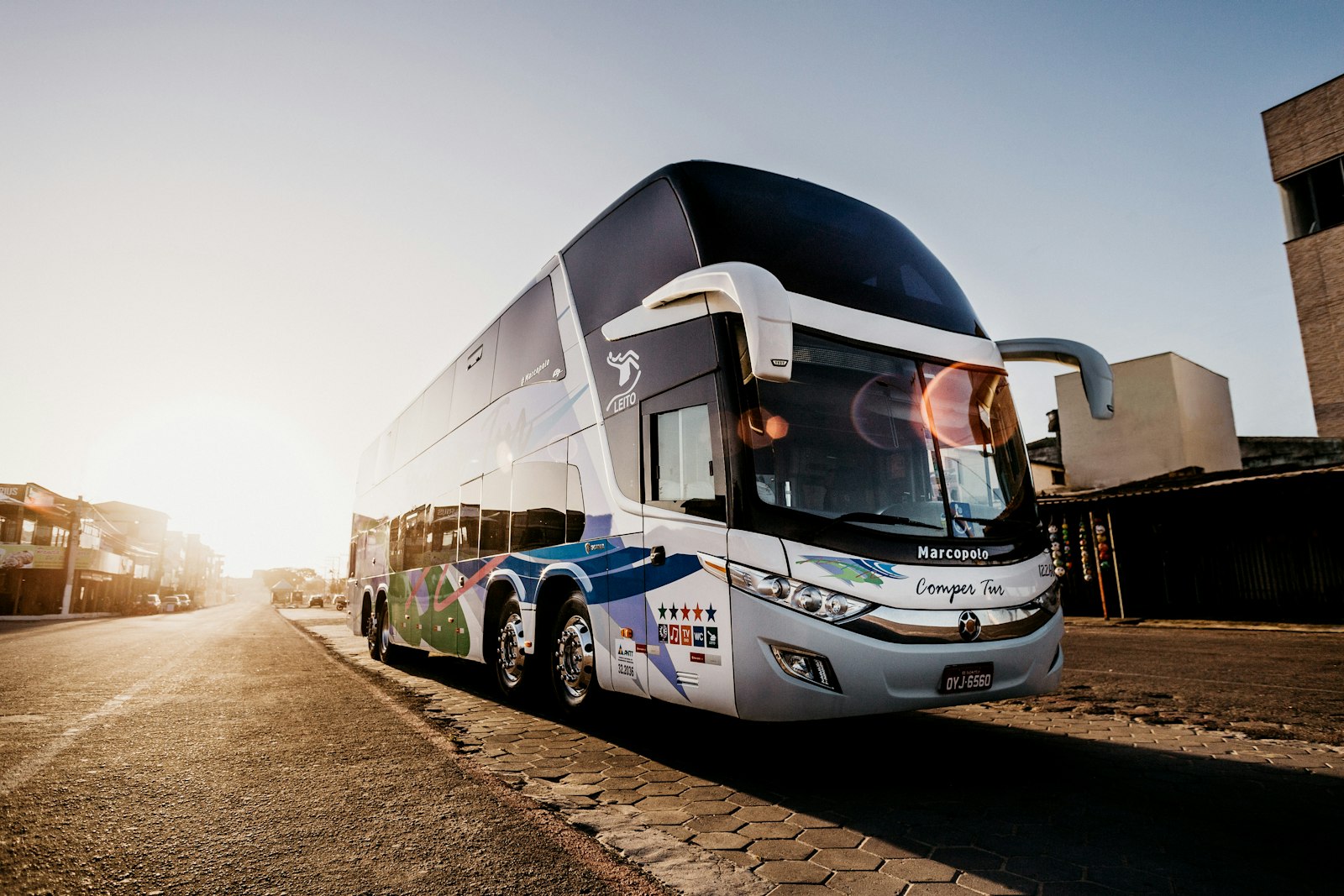
Illustrative stock image of commercial transit EVs — not evidence of private BYD passenger dealership coverage. Photo: Unsplash.
Resale and policy risk
US Section 301 modifications published by USTR directed a very large additional duty layer on electric vehicles (widely discussed as a 100% EV component in the mid-2020s review cycle), stacked on other auto-related duties depending on classification. Practitioner takeaway for shoppers: an overseas “cheap vs Tesla” screenshot is not a US transaction price.
Canada headlines complicate the psychology. USA Today and Electrek coverage in 2026 discussed BYD-related trade and Canada manufacturing / acquisition openness. Those stories matter for North American industrial strategy. They do not automatically create:
- US FMVSS-certified VIN inventory
- US lenders comfortable with the badge
- a thick used market for private resale
NHTSA’s importing-vehicle guidance exists because cars built for other markets may lack US conformity. Registered Importer paths, bonds, and modifications are specialist work — rarely a commute hack.
Resale risk checklist before any deposit:
- Written insurance quote on the exact market/year/config
- Title path that your state DMV will recognize
- Named shop willing to touch crash repairs with parts ETA
- Comparable US sale comps in the last 12 months (often: none)
- A plan if OTA / app features change under connected-vehicle rules
If step 1 or 2 fails, stop. Specs no longer matter.
Decision tree: buy / wait / buy something else
Buy now (authorized US EV)
Choose this if you need a car this quarter and care about insurance, financing, and exit liquidity.
- Pick a US-certified EV you can configure and service in ordinary channels
- Verify live pricing on manufacturer sites (e.g., Tesla configurator) — do not rely on screenshots
- Stress-test service appointment latency in your ZIP code
Buying a mainstream US EV is not an anti-BYD statement. It is commute risk management.
Wait
Choose this if you specifically want a BYD passenger product and can delay purchase 12+ months without pain.
Watch for all of the following in primary sources (not influencer threads):
- US certification / FMVSS conformity announcements with named protocols
- Transparent tariff / origin economics that make retail pricing coherent
- Named dealer or service partners with addresses
- Warranty documents naming the paying entity
- Clarity on connected-vehicle compliance for the software stack
Until those appear together, “waiting for BYD” is speculation, not a plan.
Buy something else (skip gray-market FOMO)
Choose this if someone pitches:
- “We can bring one in from Europe/Canada”
- “Title later, drive now”
- “Everyone in China pays half of Tesla”
Canada shopping tourism and gray-market pitches convert Instagram envy into title risk. Electrek’s Canada manufacturing chatter and USA Today’s trade reporting are industry signals — not a US buyer’s permission slip. If the pitch cannot survive an insurer + NHTSA conformity conversation, walk away.
Verdict
| Path | When it makes sense | Main risk if you ignore the split |
|---|---|---|
| Buy authorized US EV now | You need a commute car with normal insurance/service | Opportunity cost vs waiting for a brand you prefer |
| Wait for passenger BYD retail | You can delay; you will only buy when certification + service + pricing are documented | Infinite wait while policy stays hostile to China-origin passenger EVs |
| Gray-market / “import for me” | Almost never for a daily driver | Title, insurance, parts, resale illiquidity |
| Commercial BYD context | Fleet/depot contracts only | Confusing fleet math with private ownership |
Bottom line: As of August 2026, FairRange treats Chinese-brand passenger BYDs as generally not in authorized US retail. Commercial visibility and Canada headlines are real news — they are not a Seal in your driveway with a US warranty. Buy what you can insure and service this month, or wait with a written checklist. Do not confuse tariff theater with inventory.
Sources
- USA Today — BYD / Canada trade reporting: https://www.usatoday.com/story/cars/news/2026/01/20/byd-trade-deal-canada/88217293007/
- Electrek — BYD Canada manufacturing / acquisition openness: https://electrek.co/2026/03/13/byd-open-to-building-cars-canada-acquiring-rival-automaker/
- USTR — Section 301 modifications determination (EV duties): https://ustr.gov/sites/default/files/Section%20301%20Modifications%20Determination%20FRN%20%28Sept%2012%202024%29%20%28FINAL%29.pdf
- US Department of Commerce — connected vehicles / ICTS ANPRM press release: https://www.commerce.gov/news/press-releases/2024/02/citing-national-security-concerns-biden-harris-administration-announces
- BYD global site: https://www.byd.com/
- NHTSA — importing a vehicle: https://www.nhtsa.gov/importing-vehicle
Not legal, tax, or financial advice.
FAQ
Can I walk into a US dealership and buy a BYD Seal or Atto today?
As of August 2026, Chinese-brand passenger EVs such as BYD Seal-class cars are generally not in authorized US retail. Commercial/fleet visibility is a different channel. Treat “coming soon” social posts as unverified until certification, pricing, and named service partners appear in primary reporting.
Does Canada interest from BYD mean US availability is next?
No. Canada trade and manufacturing headlines are not US dealer inventory. Different tariff experiments, different certification paths, and different connected-vehicle policy exposure. Do not import another country’s news cycle into your California or Texas purchase plan.
Is gray-market import a smart commute shortcut?
Usually no for a daily driver. NHTSA import rules, insurer binding, title friction, and resale illiquidity can erase any overseas sticker advantage. Get written insurance and compliance answers before any deposit.
Editorial opinion for research only. Not financial, legal, or purchase advice. Last verified 2026-08-30.